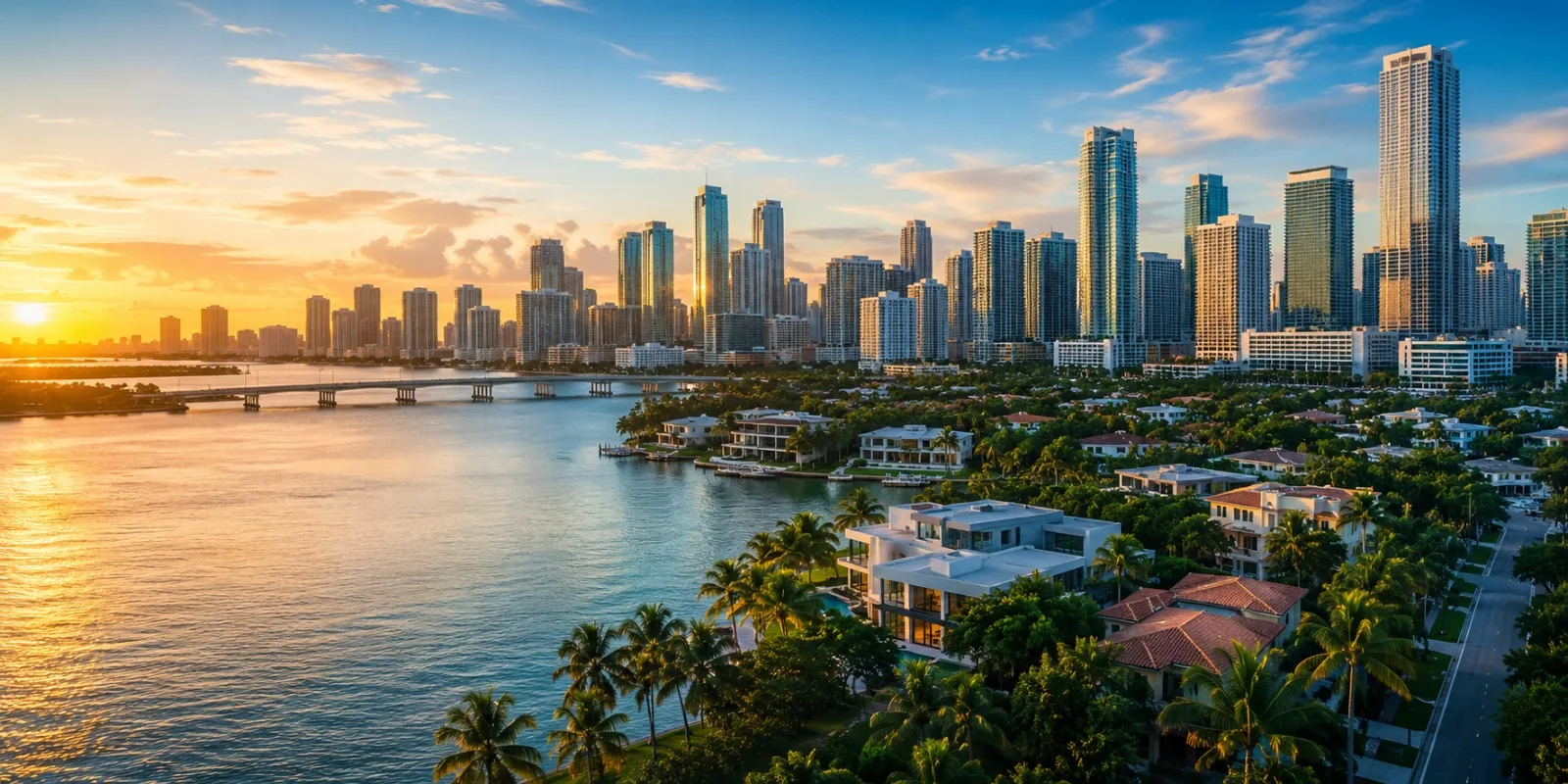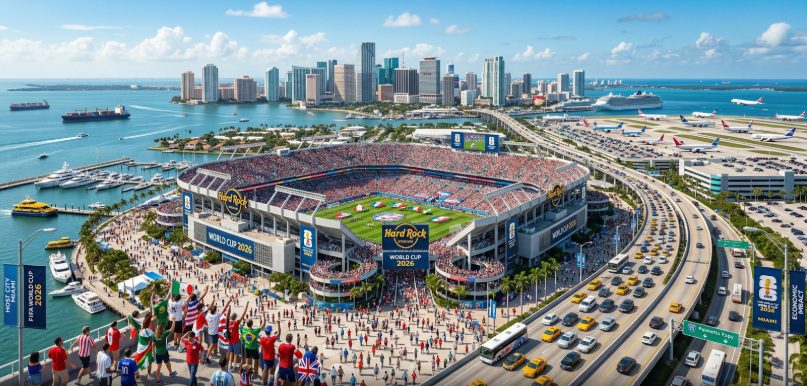
The FIFA World Cup 2026 will be the largest in football history, and one of the cities expected to benefit the most economically is Miami. With seven confirmed matches at Hard Rock Stadium, South Florida is preparing to receive hundreds of thousands of visitors during the tournament.
The event, which will be hosted by the United States, Mexico, and Canada, will feature 48 national teams, 104 matches, and 16 host cities, making it the biggest World Cup ever organized.
For host cities like Miami, the economic impact can be substantial, especially across sectors such as tourism, transportation, hospitality, and retail.
Economic Impact of Previous World Cups
Past World Cups provide a clear picture of the scale of economic impact this global event can generate.
In USA 1994, the tournament attracted more than 3.6 million spectators, setting an all-time attendance record for a World Cup. It also generated significant revenue for host cities and played a key role in the growth of professional soccer in the country.
Germany 2006 welcomed approximately 15 million additional visitors during the tournament and generated around $3.2 billion in commercial revenue.
In Russia 2018, the total economic impact was estimated at over $14 billion, driven by tourism, infrastructure, and visitor spending.
These figures help illustrate the potential scale of the 2026 World Cup.
The Largest World Cup in History
The 2026 edition will introduce a major change in the tournament format.
For the first time, 48 teams will compete, significantly increasing the number of matches, fans, and travel between host cities.
It is estimated that more than 6 million people will attend matches, making it the most attended World Cup in history.
Additionally, millions of fans are expected to travel between host cities to follow their national teams.
Millions of Visitors Across North America
The 2026 World Cup is expected to mobilize millions of international tourists across the United States, Mexico, and Canada.
According to preliminary estimates, more than 2 million visitors will require accommodation in U.S. host cities, generating strong economic activity in hotels, restaurants, transportation, and local businesses.
Direct visitor spending alone in host cities could exceed $500 million during the tournament, not including indirect effects such as long-term tourism growth and investment.
Miami as a Key Hub
Hard Rock Stadium, located in Miami Gardens, will host seven matches, including group stage and knockout games.
This positions South Florida as one of the main hubs of the tournament in the United States.
According to tourism industry estimates, approximately 160,000 additional visitors could arrive in the Miami area during the World Cup, boosting local economic activity.
The city already has world-class infrastructure for large-scale events, including:
The World Cup will further strengthen Miami’s position as a leading global destination for sports and cultural events.
Orlando Could Benefit Indirectly
Although Orlando will not be an official host city, it could benefit indirectly from the event.
Its massive tourism infrastructure—theme parks, hotels, and one of the busiest airports in the United States—may attract visitors who choose to combine attending matches in Miami with tourism in Orlando.
The relatively short distance between the two cities could increase tourist flow during the tournament.
Impact on Tourism and Transportation
One of the first sectors to feel the impact will be transportation.
Miami International Airport is a major hub connecting the United States with Europe and Latin America.
During the tournament, a significant increase is expected in:
Events of this magnitude typically generate strong travel movement both internationally and between host cities.
What This Means for the Real Estate Market
Large international events often have indirect effects on the real estate market.
Host cities tend to experience:
In destinations like Miami, where tourism and foreign investment already play a major role, events like the World Cup further strengthen demand and global positioning.
Florida Continues to Attract Global Investment
The 2026 World Cup will be not only a sporting event but also a large-scale economic and tourism phenomenon.
For Florida, and especially Miami, it represents an opportunity to reinforce its position as one of the most dynamic international destinations in the United States.
Tourism growth, new residents, and economic expansion continue to drive real estate demand across different cities in the state.
Investing in Florida Real Estate
Cities such as Miami, Orlando, and Jacksonville offer attractive investment opportunities for international investors seeking:
Let’s Talk About Your Next Move 🚀
Tango Realty
Have questions or ready to take the next step?
Contact us today!
Whether you’re buying, selling, or need help managing your property, we’re here to assist.
📍 Miami | Orlando | Jacksonville
📩 showings@miamitangoinvestments.com
📞 (407) 499-0240
👉 Your next investment opportunity starts with a conversation.

September 1, 2026
Jacksonville is growing by 100+ people per day and has the lowest entry price in Florida. Data, comparison with Miami and Orlando, and how to invest.
Read moreAugust 26, 2026
Zillow’s latest report shows a more stable U.S. real estate market, with increased inventory and better negotiating conditions for buyers. We analyze what this means for Miami, Orlando, and Jacksonville, and why many investors see this stage of the market as a potentially strategic entry point.
Read more
August 10, 2026
South Florida wants to become a major hub for the next technological revolution. With D-Wave setting roots in Boca Raton and millions flowing into quantum research, **“Quantum Beach” is beginning to take shape. But what could this mean for the region’s economy—and its real estate market?**
Read more